
Choosing the Best Coastal Walk for Beginners

Start With the Path, Not the Postcard
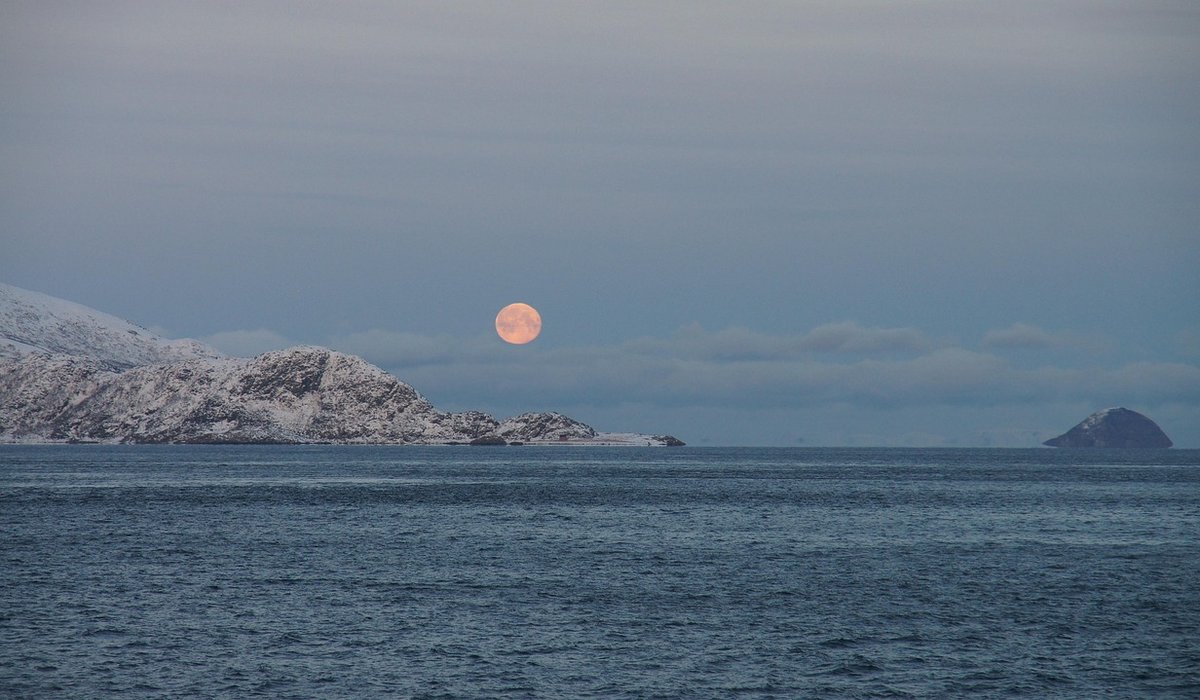
Most of the fjord photographs that draw us north are taken from somewhere you have to earn. That is worth doing eventually, but a first coastal walk should be chosen for comfort rather than drama. The single most useful indicator of a beginner-friendly route is how well it is marked. In Norway, look for painted red Ts on rocks, posts and boulders — they appear at junctions and every few hundred metres on maintained trails, turning what could be a map-and-compass exercise into a straightforward stroll. In Sweden, Denmark and Finland, similar waymarking systems use coloured paint or plastic discs, usually stamped with the route name.
Look closely at the surface as well. Gravel tracks, wooden boardwalks over boggy ground and old fisherman's paths are all kind underfoot. Long stretches of rounded boulders, slick seaweed or loose scree are not, especially after rain. A route described as "gentle" but surfaced in wet rock will tire you far faster than its distance suggests, and it will slow a group down to a shuffle.
Check the Tide Table Before You Go Anywhere
This is the one piece of preparation that beginners most often skip, and it is the one that matters most on a coast. Many Nordic shoreline routes include a section that is walkable only at low water — a beach shelf below a cliff, a spit connecting two headlands, a stepping-stone crossing between islets. Tidal ranges vary enormously from place to place, and in some narrow fjord arms the water moves surprisingly quickly once it turns.
- Find the local tide table before you set out, and note not just low tide but the two or three hours either side of it.
- Plan to be past the tidal section well before the water returns, not exactly on the turn.
- Watch for seaweed lines, damp bands on rock and barnacle zones — they show how high the water actually reaches.
- If the route crosses a tidal flat, ask locally. No table beats a resident's shrug and a pointed finger.
If the tides do not suit your day, treat it as useful information rather than a disappointment. There is almost always an inland alternative, or the same stretch of coast in the opposite direction.
Gentle Elevation Is Not the Same as Flat
Nordic coastal paths are rarely flat, because the land itself is not. What you want is low total ascent rather than zero ascent. A route that climbs 150 to 250 metres in total, spread across undulating contours, feels entirely different from one that gains the same height in a single relentless pull. Read route descriptions for total ascent figures where you can find them, and be sceptical of any walk that mentions chains, fixed ropes or scrambling. Those are fine ambitions for next year.
Coastal contouring has its own reward: because the path follows the shore, the sea is almost always visible, and you can stop at almost any point without feeling you have abandoned the walk. If a slope feels like too much on the way out, it will feel worse on the way back — so let the halfway point be dictated by your legs, not by the guidebook.
Reliable Bus Links and Boats Make the Difference
The best beginner routes are the ones that do not require you to walk back the way you came. A linear walk with a bus or ferry at the far end feels like an outing; an out-and-back along the same path can feel like a chore. Before committing, check three things: whether the service runs on the day you plan to travel, whether it takes you within a short walk of the trailhead, and what the last departure actually is.
- Regional bus services in Nordic coastal areas are frequent in July and thin in May and September, with very little on Sundays.
- Express boats between fjord villages are fast and scenic, but they usually need booking and stop running early in the evening.
- Ferries often accept foot passengers without reservation and are an excellent way to link two sections of coast.
- Keep a printed timetable. Mobile coverage in steep-sided valleys is patchy at best.
Weather, Kit and the Slow Coastal Pace
Nordic coastal weather changes faster than forecasters can keep up with, so dress in layers rather than for a forecast. A windproof shell, a warm mid-layer, a hat and gloves earn their place even in midsummer. Footwear should be broken in, with grip that copes with wet rock rather than just mud.
Aim for distances that feel almost too modest — eight to twelve kilometres is a generous day on a coastal path with a picnic and a few photographs. Carry more water than seems necessary, a thermos of something hot, and food you actually want to eat. Midges and mosquitoes can be fierce near sheltered inlets in July, so a head net weighs nothing and saves an afternoon.
Finally, build in slack. The point of a slow coastal escape is that the walk is not the whole day. Leave time for a swim, a coffee in a village, a sit on a jetty watching the light change. The route is the structure; the lingering is the reason you came.

Joeby Ragpa
This template is so awesome. I didn’t expect so many features inside. E-commerce pages are very useful, you can launch your online store in few seconds. I will rate 5 stars.
ReplyAlexander Samokhin
This template is so awesome. I didn’t expect so many features inside. E-commerce pages are very useful, you can launch your online store in few seconds. I will rate 5 stars.
ReplyChris Root
This template is so awesome. I didn’t expect so many features inside. E-commerce pages are very useful, you can launch your online store in few seconds. I will rate 5 stars.
Reply