
Planning a First Fjord Cruise Without Missing Key Sights

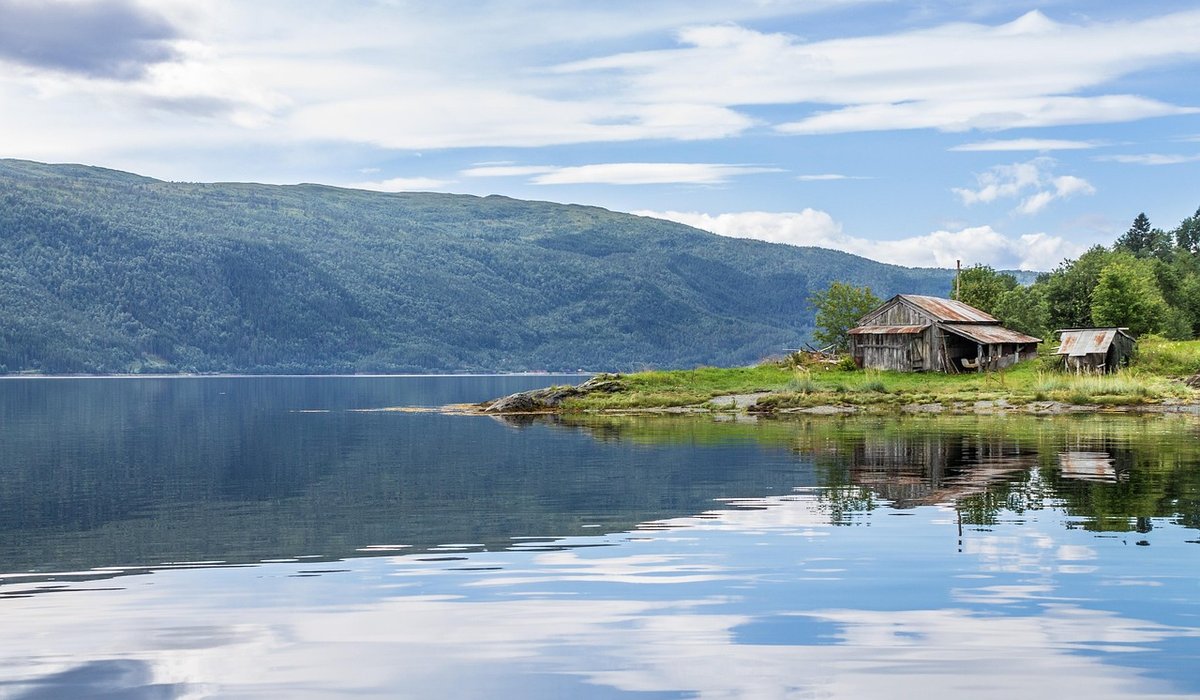
Start with the Vessel, Not the Itinerary
Most first-time fjord cruisers book by map, then discover the ship is too large for the places they actually came to see. On a 2,000-passenger vessel you will often anchor outside the narrowest water and be ferried in by tender with several hundred others. On a ship carrying 200 or fewer, you slip into the fjord arms themselves, glide past waterfalls at breakfast and come alongside small quays that larger ships cannot use.
Size also shapes your day. Smaller vessels tend to offer more time ashore, more spontaneous detours towards wildlife, and a much calmer atmosphere on deck when the scenery deserves quiet. Look for passenger-to-crew ratios, the number of zodiacs or tenders carried, and whether shore landings are included or sold as extras.
- Under 300 passengers: best access to narrow fjords such as Nærøyfjord and Trollfjord
- 300–900 passengers: a fair compromise on comfort and access
- Over 1,500 passengers: fabulous facilities, but expect tendering and coach-based excursions
Pick Your Season with Your Eyes Open
Shoulder season is where the value and the light live. Late May and early June bring snow still clinging to the high slopes, thundering meltwater, and long daylight without the midsummer crowds. September offers softer light, cheaper cabins, and the first chance of aurora on northern itineraries.
Mid-June to mid-July delivers the midnight sun north of the Arctic Circle, but also peak prices and the busiest quays. Late October to March is for northern lights hunters, and fjord cruising then means short daylight hours, cold decks and real weather. Check sunrise and sunset times for your exact dates rather than assuming — in Bergen, December daylight can be under six hours.
Also check when key roads and mountain passes open. Some scenic drives and viewpoints, including the famous hairpin routes above Geiranger, do not fully open until late May or June.
Pack for Four Seasons in One Afternoon
Fjord weather changes fast, and the wind funnelling down a valley can drop the temperature by several degrees in minutes. Layers beat bulk every time, and a waterproof outer shell matters far more than a heavy coat.
- Base layer: merino wool, two or three changes
- Mid layer: fleece or light down
- Outer layer: waterproof, windproof jacket and overtrousers
- Extremities: thin gloves, warm hat, buff, thick socks
- Footwear: grippy walking shoes and a spare pair
- Extras: binoculars, seasickness tablets, refillable bottle, small daypack
Bring a swimsuit if your itinerary mentions a fjord sauna or hot tub, and a modest outfit for village churches. Most ships are casual, so leave the formal wear at home.
Which Sights Actually Matter
Not every fjord is interchangeable, and a good first voyage covers contrast rather than quantity. Geirangerfjord delivers the postcard drama — the Seven Sisters waterfall, abandoned cliff farms, and the winding Eagle Road. Nærøyfjord is narrower and more intimate, a UNESCO-listed channel barely 250 metres wide in places. Sognefjord is the long, deep one, best experienced through its side arms. Trollfjord, up in the Lofoten direction, is short, sharp and unforgettable.
Beyond the water, prioritise a handful of landings rather than ticking off every port. A walk through Ålesund's Art Nouveau streets, a stave church, a working fishing village or a glacier tongue will stay with you longer than a coach dash to a souvenir shop. Build in one genuinely slow day mid-voyage — a sea morning with nothing planned is often the highlight.
Add a Slow Coastal Escape
The most rewarding first trip often pairs a short cruise with a few days on land. Norway's coastal express route and regional ferries let you hop between ports with your luggage, staying in wooden rorbuer — converted fishermen's cabins — in places like Lofoten or the Helgeland coast. You eat where the locals eat, watch the light change over the water, and travel at a genuinely unhurried pace.
A practical pattern: fly from Gatwick, Manchester or Edinburgh to Bergen, spend two nights acclimatising, take a three- or four-night fjord voyage north, then travel back slowly by ferry, bus and train. Book the long-distance transport early; shoulder-season seats on scenic rail and ferry routes do sell out.
Booking Practicalities and Budget
Reserve your cabin as soon as dates are firm, but hold off on expensive excursions until you have seen the weather forecast — many operators sell places on board or at the quay. Check what is included: drinks packages, landing fees and gratuities can add a substantial amount to a headline fare.
- Cabins: midship, lower decks are most stable in open water
- Insurance: confirm it covers cruise-specific cancellation and medical repatriation
- Currency: card payments are near universal, but carry a little cash for small quays
- Power: Norway uses 230V with European-style plugs, so bring an adapter
Finally, tell the crew it is your first fjord voyage. They will point out the waterfalls worth standing on deck for, and the quiet side of the ship when everyone else has drifted indoors for lunch.

Joeby Ragpa
This template is so awesome. I didn’t expect so many features inside. E-commerce pages are very useful, you can launch your online store in few seconds. I will rate 5 stars.
ReplyAlexander Samokhin
This template is so awesome. I didn’t expect so many features inside. E-commerce pages are very useful, you can launch your online store in few seconds. I will rate 5 stars.
ReplyChris Root
This template is so awesome. I didn’t expect so many features inside. E-commerce pages are very useful, you can launch your online store in few seconds. I will rate 5 stars.
Reply