
Understanding Ferry Timetables Across the Fjords

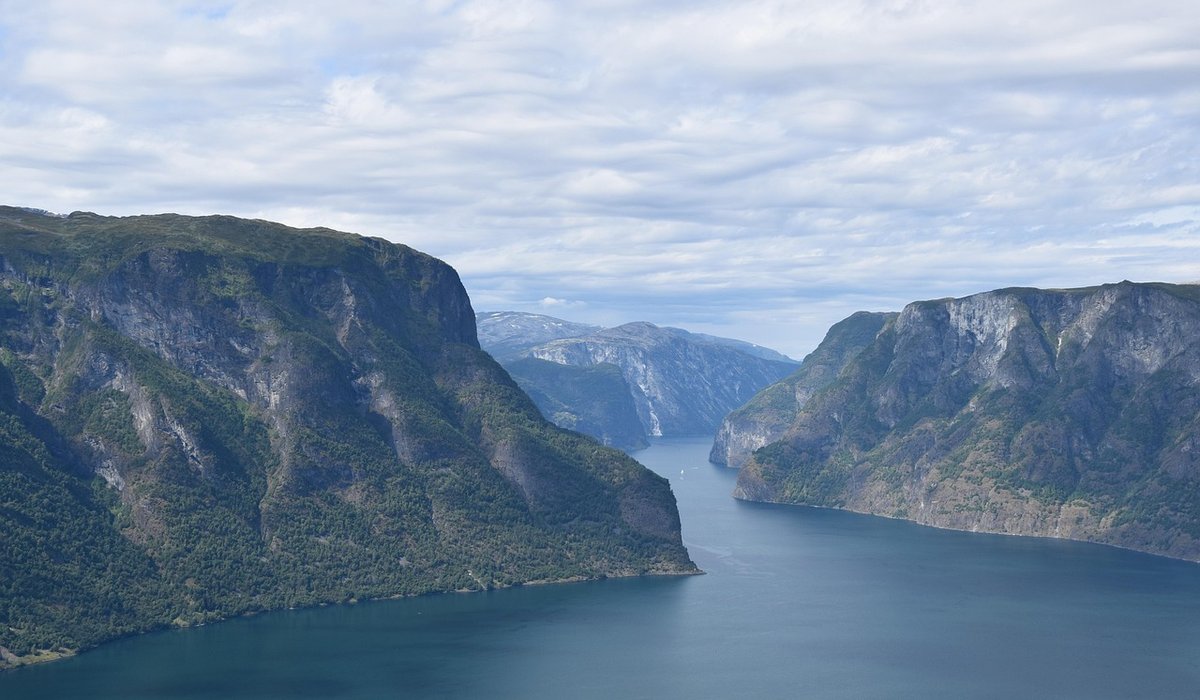
Why fjord ferry timetables shape your whole journey
In the UK, we often treat a ferry as a simple hop across a stretch of water. In Norway, a ferry is a moving bridge — a vital link between villages, islands and mountain roads. Timetables are the pulse of coastal life, and if you misread one, you can lose half a day. A slow coastal escape rewards those who plan around the water, not against it. The good news is that Norwegian ferry timetables are usually logical and reliable. The better news is that once you understand them, you can build a fjord adventure that feels effortless.
Reading a Norwegian ferry timetable like a local
Norwegian ferry timetables are clear once you know the symbols. Look for M–F, Saturday, Sunday, and school holiday variations. Many routes run two timetables: one for 1 May–30 September and another for winter. Some crossings are passenger-only; others take cars, motorhomes, bicycles and even livestock. Departure times use the 24-hour clock, so 14:30 means half past two in the afternoon. For foot passengers, arrive at least 10 minutes before departure. For vehicles, 20–30 minutes is safer, and 45 minutes in July is not excessive. Watch for notes about not stopping at certain jetties, and for routes that require you to reverse on or drive off forwards. A little homework here saves a lot of stress later.
Book popular crossings well in advance
Not all fjord ferries accept bookings. Short commuter crossings usually run on a turn-up-and-go basis. But the scenic, long-distance ones do — and they sell out. The Geiranger–Hellesylt route, the Flåm–Gudvangen service through the Nærøyfjord, and the Lysefjord cruises from Stavanger are prime examples. Book when you book your accommodation, especially if you are travelling between mid-June and mid-August. If you have a vehicle, you will usually need to give its registration number, length and height. Keep a printed copy or an offline screenshot. For popular crossings, booking a specific departure is wise; for quieter routes, a flexible ticket is often fine. Remember that some operators release tickets only a few months ahead, so set a reminder.
Arriving early with a vehicle: what to expect
At a busy fjord terminal, you will see lanes marked for cars, motorhomes, lorries and coaches. Follow the signs and do not join the wrong queue. You may need to check in at a booth or use a self-service machine. Some terminals use an electronic tag or ferry card; others take card payment on board. Boarding usually starts 10–15 minutes before departure and closes 5 minutes before. If you are late, the ferry will not wait. Keep your ticket handy, switch off your engine once parked, and leave your vehicle promptly. On board, head to the saloon for coffee, waffles and a view. For a slow coastal escape, the crossing itself is part of the adventure.
Weather, cancellations and the art of waiting
Fjord weather can turn quickly. Strong winds, fog, and heavy snow can cancel or delay sailings. Check the operator’s website or app the night before and again in the morning. Local tourist offices and harbour notice boards also post updates. If a crossing is cancelled, ask about the next available sailing and whether your ticket is valid. Build buffer time into your itinerary — at least two hours on days with exposed crossings. A cancelled ferry is not a disaster; it is an invitation to a longer coffee, a museum, or a coastal walk. Keep snacks, water and a warm layer in the car. And always have a Plan B: a different route, a later sailing, or a night in a ferry village.
Linking ferries into a slow coastal escape
Instead of racing between viewpoints, use ferries as the backbone of a slower trip. The outer fjords and island routes are often quieter and more rewarding. Consider a multi-day hop that links several crossings with short drives and overnight stays. Many local ferries carry bicycles for free, so you can leave the car behind. Overnight stops in ferry villages give you time to eat fresh fish, walk to a lighthouse, and watch the light change. In autumn, timetables thin out but so do the crowds. In winter, some routes run only a few times a day, so check carefully. The reward is a journey that feels like a conversation with the coast, not a checklist. Slow down, read the timetable, and let the fjords set the pace.

Joeby Ragpa
This template is so awesome. I didn’t expect so many features inside. E-commerce pages are very useful, you can launch your online store in few seconds. I will rate 5 stars.
ReplyAlexander Samokhin
This template is so awesome. I didn’t expect so many features inside. E-commerce pages are very useful, you can launch your online store in few seconds. I will rate 5 stars.
ReplyChris Root
This template is so awesome. I didn’t expect so many features inside. E-commerce pages are very useful, you can launch your online store in few seconds. I will rate 5 stars.
Reply