
Understanding the Right to Roam in Practice

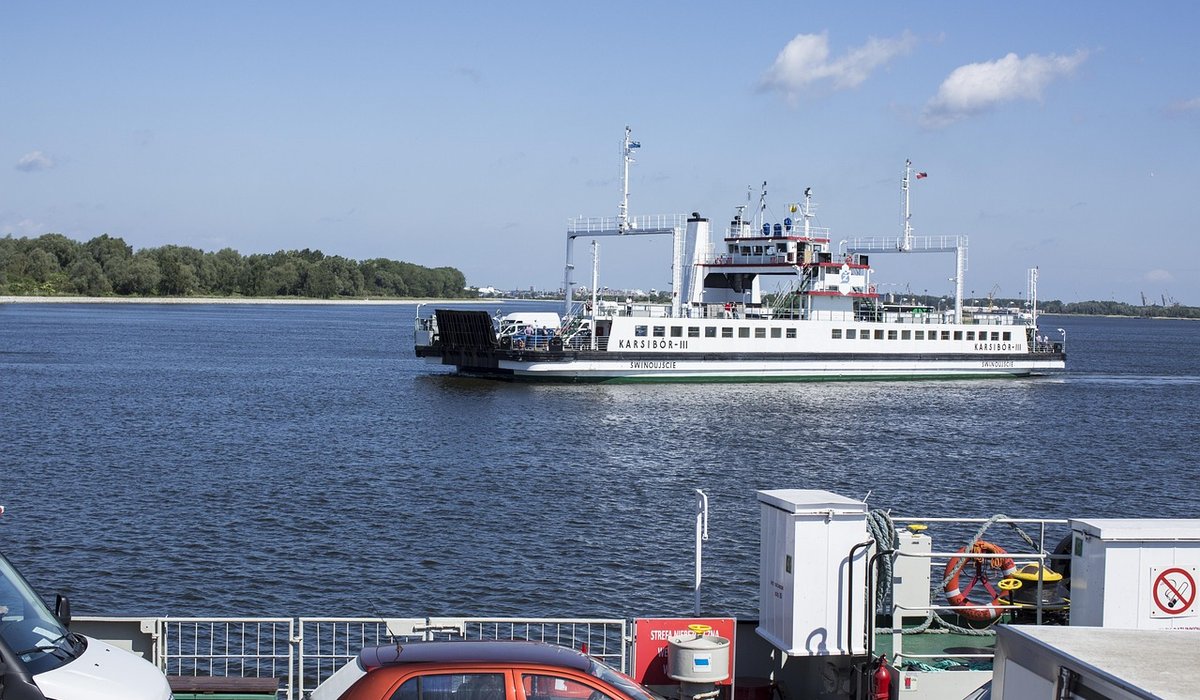
The Nordic right to roam is one of the great gifts of travelling in Norway, Sweden and Finland. It opens up fjord shorelines, quiet forests and coastal paths that would otherwise be off limits. But it is not a licence to go anywhere. It is a compact between visitor and landowner, built on respect, and the practical details matter just as much as the freedom itself.
What the right to roam actually means
In Norway it is called allemannsretten; in Sweden, allemansrätten. The principle is simple: you may walk, ski and camp on uncultivated land — often called utmark in Norway — provided you do not disturb people, damage property or cross cultivated ground. You can pause for lunch on a rocky outcrop above a fjord, swim from a wild beach, or pitch a tent for a night or two in quiet country. You cannot treat a working farm, a private garden or a field of barley as part of the trail.
Gates, fences and the art of leaving things as you found them
If you open a gate, close it behind you. That is the first rule of Nordic access, and it is the one that keeps farmers on side. A gate left open can let sheep onto a road, cattle into a crop, or a flock into the wrong pasture. If a gate is already closed, close it again after you pass. If it is tied open, leave it that way; there is usually a reason. Climb fences only at designated stiles or obvious crossing points, and never damage a fence to create a shortcut. On coastal paths, you will often meet cattle grids and kissing gates — treat them with the same care.
- Closed gate: close it behind you.
- Open gate: leave it open unless it is clearly swinging free and likely to catch livestock.
- Tied gate: retie it exactly as you found it.
- Fence: use a stile or gate; do not climb or cut wire.
Crops, gardens and the line around a home
Cultivated land is off limits. That means growing crops, hay meadows, newly planted forestry and anything that looks like someone's livelihood. Walk around the edge of a field rather than through it, even if the path seems faint. Private gardens are equally clear: do not cross them, even to reach a view or a shoreline. In Norway, the general guidance is to keep a respectful distance from houses and cabins — often at least 150 metres when camping — and to avoid the immediate area around a dwelling. If a fjord beach sits below a house, use the shore path and keep your voice low. The sea may look public, but the garden above it is not.
Livestock, dogs and wildlife on the coastal path
Meeting livestock is part of the joy of slow coastal travel, but it calls for calm. Give cows with calves, sheep with lambs and horses a wide berth. Do not feed them, do not try to stroke them, and do not let a dog chase them. In spring and summer, keep dogs on a lead where required — especially around livestock and during nesting season. If cattle approach, walk steadily away rather than running. Close gates behind you. On fjord paths, watch for grazing goats and free-roaming sheep; they have right of way, and they know it.
Camping, fires and fjord-side common sense
Wild camping is a privilege, not a right to leave a mess. Pitch on firm ground, away from water sources, and move on after a night or two. Use an existing fire ring if there is one, and check local fire bans before lighting anything; dry summers in particular bring strict restrictions. Never cut live trees or branches. Carry out all rubbish, including food scraps and tea bags. If you are foraging berries or mushrooms, take only what you will eat, avoid protected species, and never pick from a garden or cultivated land. In coastal villages, use public bins or take waste with you.
Slow travel, quiet responsibility
The right to roam works because most people treat it well. That means keeping noise low near houses, not blocking tracks or driveways, and leaving a place looking as if you were never there. It also means accepting that access is not the same as entitlement. A fjord adventure is richer when you know you have respected the farmer, the flock and the family whose garden overlooks the water. Pack out what you pack in, close the gate, step around the crop, and the Nordic coast will keep welcoming you back.

Joeby Ragpa
This template is so awesome. I didn’t expect so many features inside. E-commerce pages are very useful, you can launch your online store in few seconds. I will rate 5 stars.
ReplyAlexander Samokhin
This template is so awesome. I didn’t expect so many features inside. E-commerce pages are very useful, you can launch your online store in few seconds. I will rate 5 stars.
ReplyChris Root
This template is so awesome. I didn’t expect so many features inside. E-commerce pages are very useful, you can launch your online store in few seconds. I will rate 5 stars.
Reply