
What to Pack for a Cosy Cabin Stay

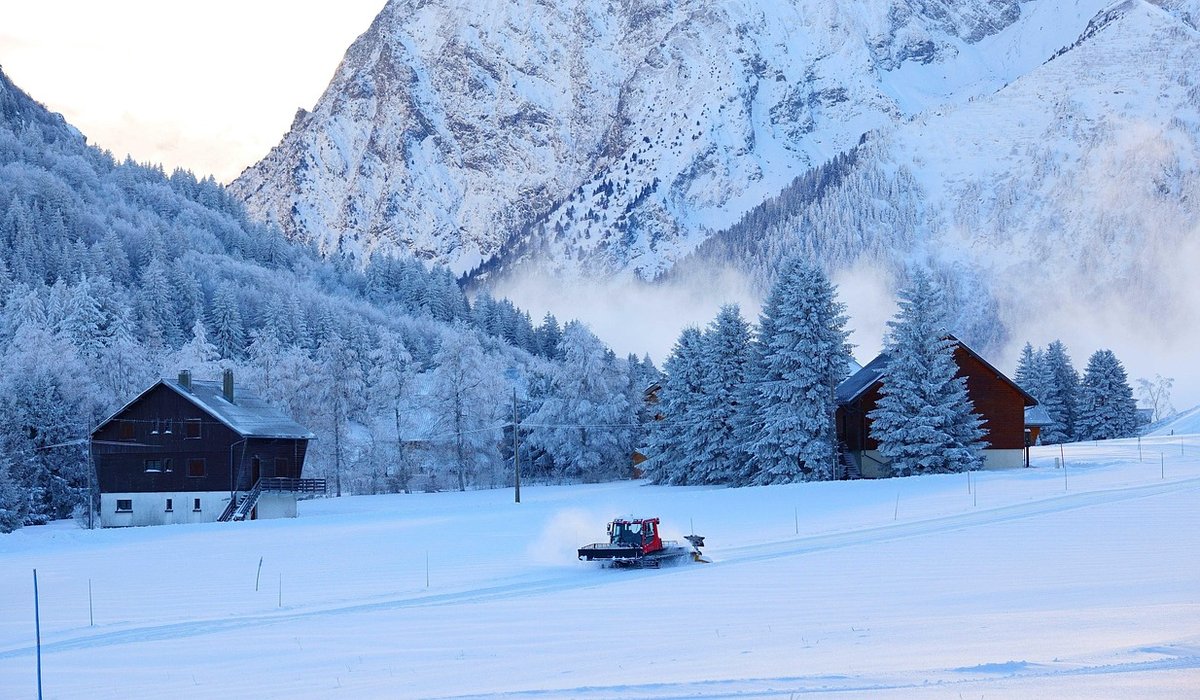
A cabin in the Nordic north is one of the great slow-travel pleasures: pine walls, a wood-burning stove, a jetty over cold water and absolutely nothing on the schedule. What it is not, however, is convenient. These places tend to sit at the end of a long gravel track, twenty minutes from a village whose shop shuts at four, with the nearest proper supermarket an hour away. Pack well and the week feels effortless. Pack badly and you'll spend it rationing coffee and driving to find a loaf of bread. Here's what genuinely earns its place in the bag.
Layers That Do the Work
Nordic cabins are usually warm inside and bracing outside, often on the same afternoon. The answer is thin layers you can peel off one at a time, not one enormous coat you either wear or carry.
- Merino base layers, top and bottom. They regulate temperature, resist smelling after three days, and dry overnight draped over a chair.
- A warm jumper — wool or a wool blend, roomy enough to pull on over everything else at breakfast.
- A light fleece or packable down jacket for the short walk between sauna and cabin, or for sitting outside watching the light fade.
- Wool socks, at least three pairs. Cotton socks plus a cold wooden floor equals misery.
- A waterproof shell and over-trousers. Nordic weather turns quickly, and a soaking on the walk home spoils an evening.
- Hat, gloves and a neck warmer, even in July. Water and long evenings pull the temperature down.
Slippers, Boots and the Shoe Rule
Almost every Scandinavian cabin is a shoes-off household, and some are quite firm about it. Turning up in hiking boots with no alternative is a small but avoidable awkwardness.
- Slippers with a firm sole — wool-lined, easy to kick on for a midnight trip to the woodpile or the outside loo.
- Walking boots you've already broken in, plus wellies if the cabin sits near boggy ground, a shoreline or a muddy track.
- Trainers or trail shoes for the drive, the village and gentle paths.
- A dry bag or two for wet boots, swimwear and anything coming home damp.
- Flip-flops or sandals for the sauna, the shower block and any shared facilities.
Feed Yourselves Properly
The nearest shop may be a forty-minute drive, and in rural areas it will close early on Saturdays and often not open at all on Sundays. Arrive with your first two days of food already in the boot, then shop locally once you've found your bearings.
- A planned menu for two days: pasta, rice, tinned tomatoes, tomato purée, stock cubes, dried herbs, olive oil, salt and pepper.
- Porridge oats, coffee, tea and long-life milk — staples that keep happily without a fridge.
- Snacks for walks: nuts, dried fruit, chocolate and a flask for hot drinks.
- A few treats: good cheese, proper butter, a decent bottle of something. In Norway, wine and spirits are sold only in state-run shops with short hours, so buy on the way through town.
- Washing-up liquid, a sponge, tea towels and bin bags. Many cabins expect you to leave them exactly as you found them.
- Toilet roll and kitchen roll if the listing doesn't explicitly promise them.
Evenings: Light, Warmth and Something to Do
Darkness arrives early from September, and even in midsummer the evenings are long and unhurried. Cabin evenings are wonderful, but they are also screen-free in a way that catches people out.
- A couple of well-loved board games and a pack of cards. The old favourites work best — anything with a rulebook you already know.
- A book, a downloaded audiobook or some podcasts, plus a power bank, since signal and plug sockets may be thin on the ground.
- Head torches and a small lantern, with spare batteries. Candles and matches are a lovely touch, but check the cabin's fire rules before lighting anything.
- A small speaker if music matters, kept low out of respect for neighbours and wildlife.
- A hot water bottle for the first cold night, before you've learned how the stove behaves.
The Small Things That Save a Trip
None of these take much room, and each one has rescued a cabin holiday at some point.
- A basic first-aid kit: plasters, blister patches, painkillers, antihistamines and any prescription medicines.
- Insect repellent and after-bite cream — essential in a Nordic summer — plus a head net for boggy walks.
- Sunscreen and sunglasses. Light bounces off water and late snow far more than you'd expect.
- A penknife or multi-tool, a lighter and a spare torch.
- Reusable water bottles. Tap water across the Nordics is excellent and free.
- A spare bag for rubbish, as you may need to carry it home with you.
Packing It All Together
Use a soft bag rather than a rigid case — it will squash into the boot beside the shopping and sit more easily on a cabin floor. Leave a little room, because you will almost certainly come back with a jar of cloudberry jam, a knitted something or a stone from the beach. Fill the fuel tank before you leave the last town, note the checkout time and the rubbish rules, and accept that the first hour after arrival is always spent working out how the stove, the water and the lights operate. After that, the slowness takes over. That is the whole point of going.

Joeby Ragpa
This template is so awesome. I didn’t expect so many features inside. E-commerce pages are very useful, you can launch your online store in few seconds. I will rate 5 stars.
ReplyAlexander Samokhin
This template is so awesome. I didn’t expect so many features inside. E-commerce pages are very useful, you can launch your online store in few seconds. I will rate 5 stars.
ReplyChris Root
This template is so awesome. I didn’t expect so many features inside. E-commerce pages are very useful, you can launch your online store in few seconds. I will rate 5 stars.
Reply