
Making the Most of a Short Northern Lights Season

Why the season feels shorter than the calendar suggests
The aurora season in the Nordic north runs from late August to mid-April, but the practical window for a short trip is much tighter. You need three things to align: darkness, clear skies and solar activity. In autumn, the nights are lengthening but the weather is often unsettled. By late November, the polar night offers more dark hours but also more cloud. The sweet spot is often late September to early November, and again late February to March. Equinox periods around 21 September and 21 March often bring more geomagnetic disturbances. But do not assume a fortnight in October guarantees a display. Think of it as a window of opportunity, not a promise.
Plan around the new moon
Moonlight is the enemy of faint aurora. A full moon can wash out all but the strongest displays. Check a lunar calendar before you book. Aim for the five to seven nights around a new moon. That gives you the darkest skies. But be realistic: a new moon does not mean clear skies. It simply removes one obstacle. If you can only travel on fixed dates, do not despair. Bright auroras can still be visible in moonlight, especially if you are away from town lights. But if you have flexibility, new moon weeks are worth prioritising.
Stay flexible with accommodation
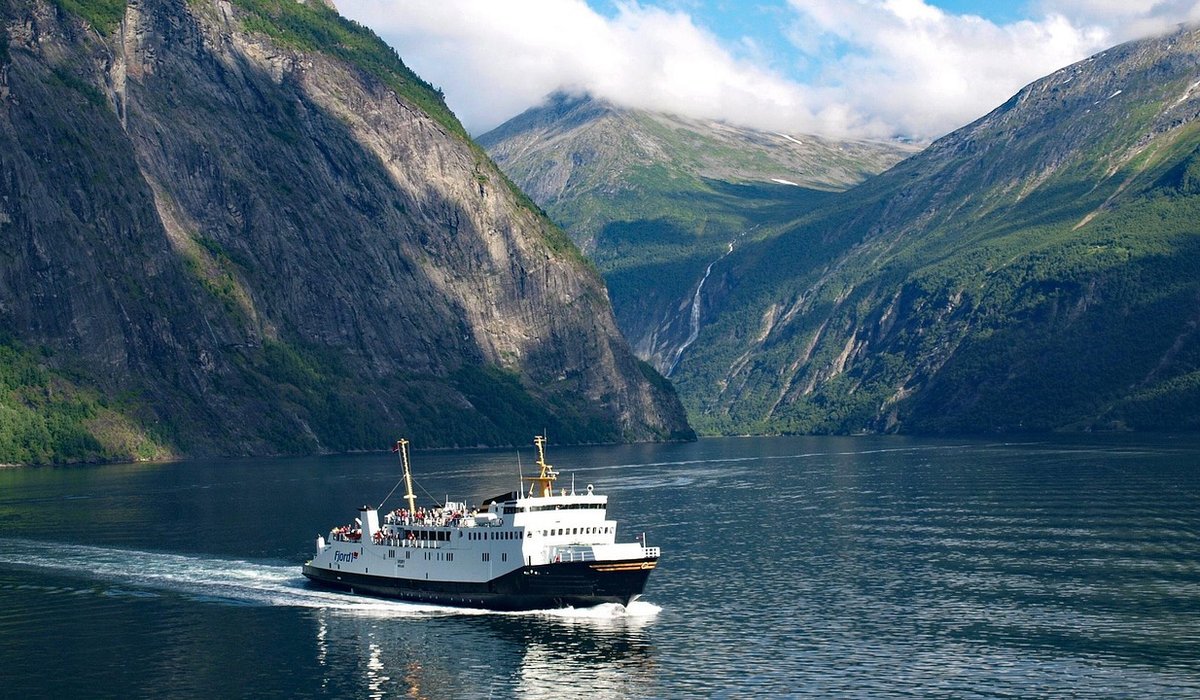
This is the single most useful piece of advice. Rigid itineraries are the enemy of aurora chasing. Instead of booking a different hotel every night, choose two or three bases for a week-long trip. Look for fjord-side cabins, rorbuer in fishing villages, or small coastal guesthouses with free cancellation. Stay at least three nights in each place. That gives you time to wait for a clear-sky window. If forecasts turn poor, you can move on. If they improve, you can stay put. A slow coastal escape works perfectly here: less driving, more watching.
- Book places with free cancellation up to 24–48 hours before arrival.
- Choose locations with dark skies away from streetlights and harbour lamps.
- Ask your host about local microclimates – some fjords are drier than others.
Keep your evenings free
Do not fill every evening with late dinners, cinema trips or long excursions. Aurora often appears suddenly after 9pm and can fade within twenty minutes. You need to be ready to go outside at a moment’s notice. Eat early, or plan a simple supper in your cabin. Keep a thermal flask, head torch with a red filter, and warm layers by the door. If you are on a guided fjord adventure, check whether it finishes before dark. Some evening boat trips are wonderful for stargazing, but they can limit your flexibility if the sky clears above your accommodation instead.
Learn to read the forecasts
Do not fixate on the KP index alone. In northern Norway, a KP 2 can produce a stunning overhead display. What matters more is cloud cover. Learn to use local weather forecasts that show cloud cover hour by hour. Look for gaps between weather fronts. A clear patch of sky lasting an hour is enough. Have a plan for where to drive if your base is clouded in. Coastal areas often have more changeable skies, which can work in your favour. Mountains can block or clear clouds. Ask locals which direction to head when the forecast is marginal. Keep your phone charged and a paper map as backup.
Enjoy the waiting
The aurora is never guaranteed. That is part of its magic. A slow coastal escape gives you something to do while you wait: beachcombing, sauna sessions, reading by a wood stove, watching sea eagles. If the lights appear, wonderful. If not, you have still had a proper Nordic adventure. Pack a good book. Sleep when the sky is cloudy. Set an alarm for midnight and again at 2am. The best displays often come when you least expect them, on a cold, clear night when you have almost given up. Make the most of the short season by staying loose, staying warm, and staying up.

Joeby Ragpa
This template is so awesome. I didn’t expect so many features inside. E-commerce pages are very useful, you can launch your online store in few seconds. I will rate 5 stars.
ReplyAlexander Samokhin
This template is so awesome. I didn’t expect so many features inside. E-commerce pages are very useful, you can launch your online store in few seconds. I will rate 5 stars.
ReplyChris Root
This template is so awesome. I didn’t expect so many features inside. E-commerce pages are very useful, you can launch your online store in few seconds. I will rate 5 stars.
Reply