
A Gentle Introduction to Nordic Winter Sports

Start on Flat Ground, Not on a Mountain
Nordic winter sports have a reputation for being either terrifying or faintly austere. Neither is fair, and neither should put you off. The gentlest way in is cross-country skiing on prepared trails — machine-tracked routes that run flat, or nearly flat, through birch forest and along the edges of frozen lakes. In Norway you will see them signposted as løyper; in Sweden, as spår. A good one is wide enough for two people to pass and cut with two parallel grooves for what is called classic style.
The equipment helps enormously. Classic skis are long, narrow and light. The boots are low and soft, closer to a sturdy walking shoe than anything you would recognise from a ski holiday brochure. You will fall over — but you will fall over slowly, at roughly walking pace, onto soft snow, and it will not hurt. That is precisely why this is the right place to begin.
Hire First, Decide Later
Give yourself three days before committing to anything. Hire the whole kit — skis, poles, boots — from a local sports shop or the rental hut at the trail centre. In most Nordic towns this costs roughly what you would pay for a decent lunch, and it lets you test your comfort levels without sinking money into gear you may never use again.
- Ask for classic skis, not skate skis. Skate skiing is faster, wider and considerably more athletic, and it is not a beginner's discipline.
- Have boots fitted while you are standing up, wearing the socks you intend to ski in. If your heel lifts, ask for another size.
- Poles should reach roughly to your armpit with the tip on the ground. Too long is worse than too short.
- Say it is your first time. Staff will usually point you towards the flattest loop and mark it on a paper map.
A sensible progression: an hour on the flat on day one, two hours with a gentle slope or two on day two, and a longer loop with a café halfway round on day three — but only if you are still smiling.
Reading the Trails and the Weather
Grading varies between countries, so ask at the trailhead rather than assuming. As a rough guide, blue is easy, red is moderate and black is difficult. Distances are marked in kilometres, and beginners consistently underestimate them: a "5 km easy" loop can easily take ninety minutes once you allow for stops and the odd tumble.
Snow conditions change everything. Fresh, cold snow is slow and forgiving. Warm, wet snow is heavy and tiring. Icy, refrozen tracks are fast and unforgiving — that is the day to choose a shorter route or take the bus. Check the grooming report before setting out; most areas publish one each morning through the season.
Days That Ask Nothing of You At All
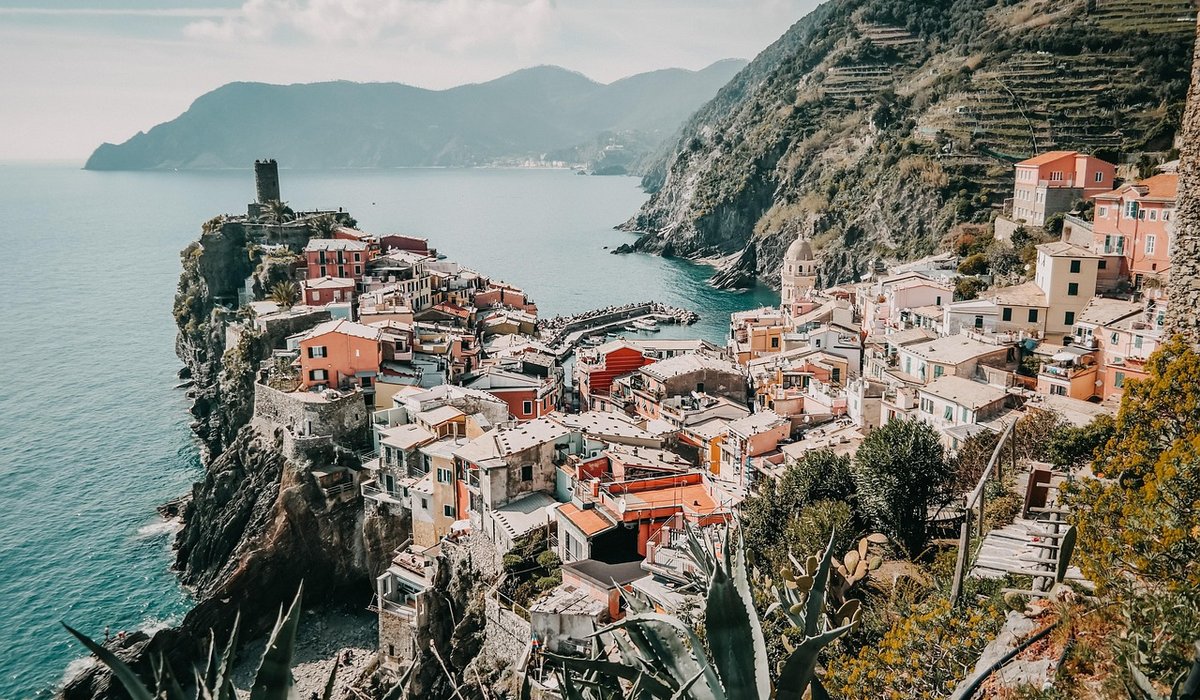
Not every day needs to involve skis. The slow coastal escapes are half the pleasure of a Nordic winter, and they are especially welcome when the weather turns. Ferries run year-round between islands, often with a warm cabin, a coffee machine and a view of water so still it looks like slate. A converted fishermen's cabin — a rorbu in Norway — with a wood stove and a stack of chopped birch is a perfectly respectable way to spend an afternoon.
Build in a rest day for every two active ones. Walk a harbour, eat a cinnamon bun, watch the light change over a fjord at two in the afternoon and then go back inside. That is not laziness; it is the reason people return north in winter rather than summer.
When You Are Ready for a Gentle Downhill
Once flat trails feel manageable, try a small local hill rather than a major resort. Look for a beginner area with a magic carpet or a short drag lift, a nursery slope and, ideally, a group lesson you can join for a couple of hours. Two hours of instruction at this stage is worth more than a fortnight of guessing.
Expect the equipment to feel completely different. Alpine skis are shorter and stiffer, and the boots are rigid plastic that locks your ankle in place. Your shins and calves will complain for the first day. Stay on the easiest run until turning feels automatic, and stop while you are still enjoying yourself rather than an hour after you stopped.
Kit, Comfort and Pacing
Layering matters more than any single item. Start with a wool or synthetic base layer, add a fleece, then a thin windproof shell. Cotton next to the skin is a mistake in any winter sport, and a genuinely miserable one when you work hard and then stand still.
- Two pairs of gloves: thin liners for skiing, a warm pair for standing about.
- A thermos and something to eat in a rucksack. Trail cafés are wonderful but not guaranteed.
- Keep sit-down breaks short. You cool quickly, and ten minutes can undo an hour of warmth.
- Daylight is brief in December and January. Aim to be back at the trailhead by about 15:00, and carry a head torch anyway.
- Sunglasses or goggles. Low winter sun on snow is genuinely dazzling.
Start small, hire generously, and treat the first trip as research rather than a test. The Nordic winter rewards patience, and nobody has ever regretted spending an extra day on the flat.

Joeby Ragpa
This template is so awesome. I didn’t expect so many features inside. E-commerce pages are very useful, you can launch your online store in few seconds. I will rate 5 stars.
ReplyAlexander Samokhin
This template is so awesome. I didn’t expect so many features inside. E-commerce pages are very useful, you can launch your online store in few seconds. I will rate 5 stars.
ReplyChris Root
This template is so awesome. I didn’t expect so many features inside. E-commerce pages are very useful, you can launch your online store in few seconds. I will rate 5 stars.
Reply