
Comparing Overnight Ferries with Day Crossings

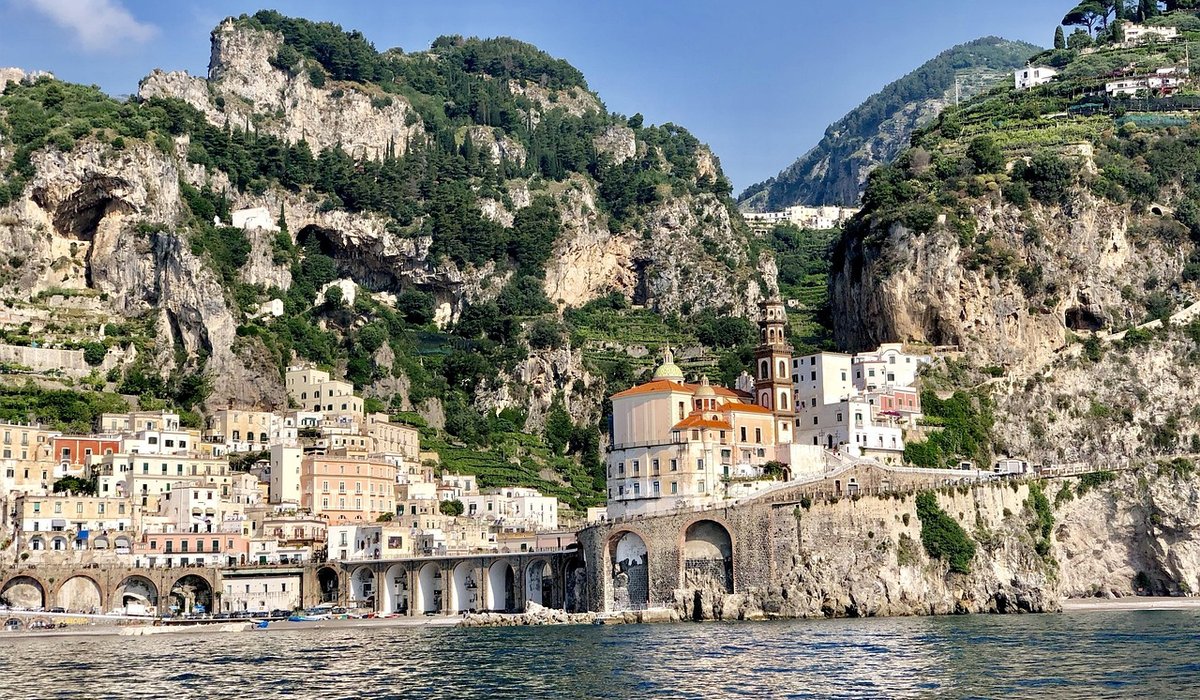
Planning a Nordic adventure often means stitching together fjord cruises, coastal roads and quiet island stops. The ferry crossing is rarely just a means to an end. On routes across the North Sea, between Denmark and Norway, or along the Norwegian coast, the choice between an overnight sailing and a daytime crossing shapes your budget, your energy and how much of the landscape you actually see. Both have loyal fans. The right answer depends on your priorities, your travelling party and how you like to travel.
Why the Crossing Matters
In the Nordics, ferries are not a tedious necessity. They are part of the slow travel experience. A day crossing can feel like a mini cruise through skerries and sounds, whilst an overnight sailing turns travel time into sleep time. The decision affects everything from how many daylight hours you have at your destination to whether you need to book a cabin or can simply settle into a lounge seat. Get it right, and the journey becomes a highlight. Get it wrong, and you arrive exhausted or out of pocket.
The Case for Overnight Sailings
Overnight ferries are the practical choice for travellers who want to maximise their time ashore. You board in the late afternoon or evening, unpack a small bag, have dinner and wake up near your destination. For fjord adventures, this means you can start hiking or driving straight after breakfast. A cabin is essential for decent rest, and prices vary from basic bunk rooms to larger family cabins with windows. Book early for summer sailings, as family cabins and the cheapest berths sell out months in advance. The main downsides are cost and comfort. Cabins, meals and any extras add up quickly, and rough seas can make for a restless night. If you are short on time or travelling a long distance, the saved daylight is often worth the premium.
The Appeal of Daytime Crossings
Day crossings are for those who want the journey itself to be memorable. On a clear day, the approach to a Norwegian fjord or the crossing between Danish islands offers constant scenery: steep cliffs, small farms, lighthouses and seabirds. You can stand on deck, find a quiet corner and watch the coast slide by. Meal arrangements are simpler, too. Instead of a set dinner sitting, you can buy a sandwich, bring a picnic or use the onboard café. Families appreciate the flexibility, as children can move between indoor play areas and outdoor decks without disturbing a cabin routine. The trade-off is that you lose a full day of exploring. Arrival is often late afternoon, leaving little time for anything beyond checking in and finding dinner.
Cost, Cabins and Family Logistics
Budget and family needs often decide the matter. Overnight sailings carry a higher base cost because you are paying for a bed, not just a seat. A standard inside cabin for two can cost significantly more than two day-crossing tickets, and breakfast is sometimes included but dinner rarely is. Day crossings let you avoid cabin fees altogether; you can book a reclining seat or simply find a spot in a lounge. For families, consider these practical points:
- Young children: a day crossing is usually easier, as you can keep to normal nap and meal times without disturbing a shared cabin.
- Teenagers: an overnight sailing can be an adventure, especially if they get a sense of independence on deck at sunset.
- Seasickness: both options can be rough, but night crossings make it harder to distract yourself. If anyone is prone, choose a day sailing and stay on deck.
- Luggage: overnight ferries often require you to carry everything to your cabin. Day crossings let you leave bags in the car or a luggage area.
One clever compromise is to take an overnight ferry out and a day crossing back. You save time at the start of your trip and enjoy the scenery on the return, when you are less rushed.
Scenery, Wildlife and Slow Travel
If seeing the landscape is a priority, daytime wins. Overnight sailings pass through the most dramatic sections of coast in darkness, especially outside the summer months. From late May to July, however, the Nordic night is never truly dark. A midnight sun sailing can be magical: you can stand on deck at 2am in soft golden light, watching porpoises and sea eagles. That said, most travellers sleep through it. Day crossings offer reliable wildlife spotting and photography. For slow coastal escapes, the unhurried rhythm of a daytime ferry matches the ethos perfectly. You are not just getting from A to B; you are already on holiday.
Making the Right Choice for Your Trip
Start by asking what you value most. If your itinerary is tight and you want to wake up ready for fjord hikes, book an overnight sailing and accept the higher cost. If you have time to spare and want the crossing to be part of the experience, choose a day sailing and pack a good book and binoculars. Families with very young children should lean towards daytime crossings for simplicity, whilst couples or solo travellers may relish the romance of an overnight cabin. Always check seasonal timetables, as some routes run less frequently in winter. And remember that weather can change plans; build in a buffer day if you are connecting to a cruise or a long drive. Whichever you choose, treat the ferry as the first chapter of your Nordic adventure, not an interval between them.

Joeby Ragpa
This template is so awesome. I didn’t expect so many features inside. E-commerce pages are very useful, you can launch your online store in few seconds. I will rate 5 stars.
ReplyAlexander Samokhin
This template is so awesome. I didn’t expect so many features inside. E-commerce pages are very useful, you can launch your online store in few seconds. I will rate 5 stars.
ReplyChris Root
This template is so awesome. I didn’t expect so many features inside. E-commerce pages are very useful, you can launch your online store in few seconds. I will rate 5 stars.
Reply