
Reading Tide Tables for Safer Shore Fishing

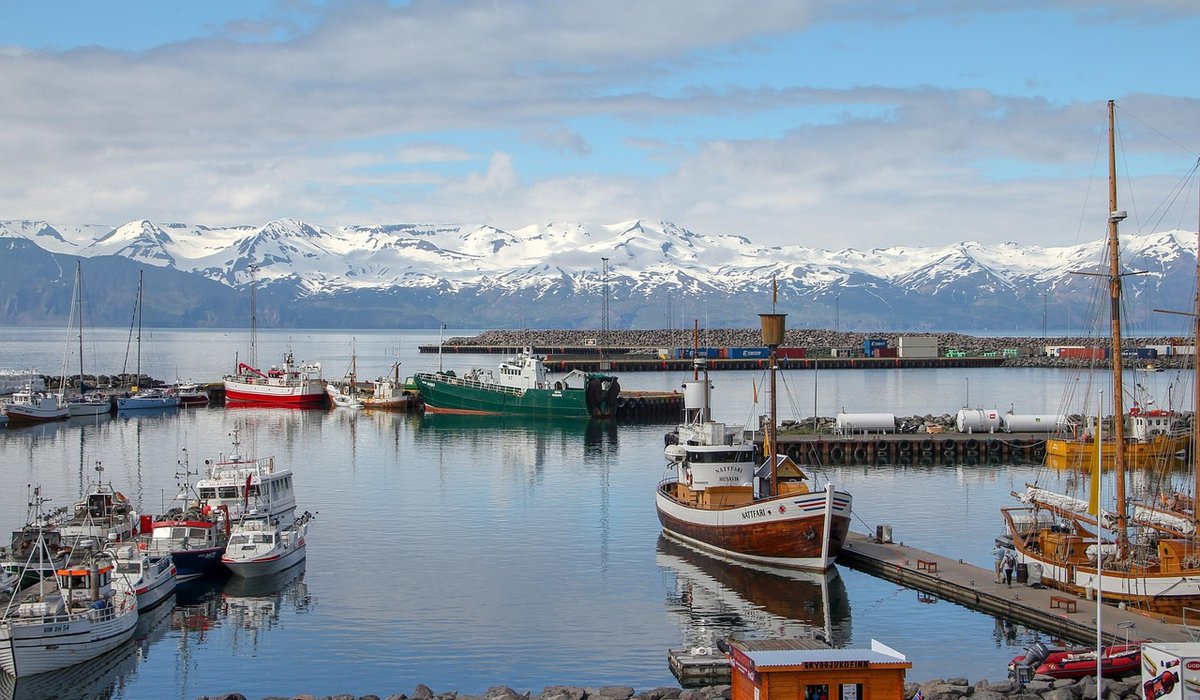
The Rhythm of the Fjord: Why Tide Tables Matter
You've found a perfect rocky mark on a fjord shore. The water is clear, the cod and coalfish are feeding, and the mountains rise behind you. But the sea is never still. In the Nordic fjords, the tide can rise and fall by several metres, and the speed at which it moves can catch you out. A tide table is not a piece of bureaucracy; it is your safety net. It tells you when the water will be at its lowest, how high it will climb, and how quickly it will return. Read it before you pack your rod, and you turn a risky adventure into a slow, confident escape.
Decoding the Numbers: High Water, Low Water and Range
A tide table lists two high waters and two low waters for each day, along with their times and heights. The heights are usually given in metres above the lowest astronomical tide, a baseline that never changes. For example, you might see Low Water 08:14, 0.4m and High Water 14:32, 2.9m. The difference between these two figures is the range: here, 2.5 metres. That range is your key. A small range means the sea barely moves; a large range means the shoreline transforms. Always note the time of low water, because that is when the most rock is exposed. But also note the time of high water, because that is when your escape route might vanish.
Spring Tides, Neap Tides and the Speed of the Sea
Tides do not behave the same every day. Around the new and full moon, the gravitational pull of the sun and moon align, creating spring tides with the largest ranges. Around the first and third quarters, the pull is at right angles, giving neap tides with smaller ranges. A rocky mark that is easy to walk on at low water during a neap tide may be completely covered during a spring tide. Worse, the speed of the rising water increases with the range. On a spring flood, the sea can advance faster than you walk. So check not just the time but the predicted range. If the range is over three metres, be extra cautious. If it is under one metre, you have more leeway but still watch the clock.
Choosing a Rocky Mark That Keeps Its Secrets
The best shore-fishing marks in a fjord are those that remain accessible as the sea retreats – and, crucially, as it returns. You want rocks that are exposed at low water but connected to a safe escape route. Look for these features before you wet a line.
- A gentle gradient: A shore that slopes gradually means the tide creeps rather than races. You can step back in stages without panic.
- A dry refuge: A ledge or plateau that sits above the highest predicted high water. Know where it is and how to reach it.
- A visible strandline: The line of seaweed, driftwood and debris shows how high the tide actually reaches. If your chosen rock is below that line, it will be submerged.
- Safe access: A path, steps or firm boulders that let you descend and climb without scrambling. Avoid sheer cliffs or isolated sea stacks.
Spend time at the mark at low water on a calm day. Walk around. Note where the rocks are slippery with algae. Look for patches of dry stone above the strandline. That is your safe zone.
Reading the Shore at Low Water: Escape Routes and Safe Stances
Arrive at least an hour before low water. Use the time to study the shore. Watch where the sea retreats and where it lingers in pools. Identify two escape routes – a primary and a backup – in case one becomes cut off by a swell or a slipping hazard. As the tide turns, stand still for a few minutes and watch the water. Is it creeping up a channel? Is it lapping at a rock that was dry moments ago? Set an alarm on your watch for thirty minutes before the predicted high water. Do not rely on a phone signal in a remote fjord. If the wind is offshore, the tide may be lower than predicted; if it is onshore, it can be higher and faster. Always add a margin of safety. And remember: wet rocks are treacherous. Wear studded boots or felt soles, and move slowly.
Slow Coastal Escapes: Fishing with the Tide, Not Against It
Shore fishing in the Nordic fjords is not a race. It is a slow coastal escape. The tide table gives you permission to relax, because you know exactly when the sea will move. Fish the ebb, when the water is pulling away and the fish are often feeding. Then, as low water slackens, move to your high-water refuge and fish the first of the flood. You will see the sea reclaim the rocks you stood on, and you will be safe because you planned it. There is a deep pleasure in this rhythm: the mountains, the cold clean water, the cry of an oystercatcher. Read the tide table, choose your mark with care, and let the sea set the pace. That is the art of the slow coastal escape.

Joeby Ragpa
This template is so awesome. I didn’t expect so many features inside. E-commerce pages are very useful, you can launch your online store in few seconds. I will rate 5 stars.
ReplyAlexander Samokhin
This template is so awesome. I didn’t expect so many features inside. E-commerce pages are very useful, you can launch your online store in few seconds. I will rate 5 stars.
ReplyChris Root
This template is so awesome. I didn’t expect so many features inside. E-commerce pages are very useful, you can launch your online store in few seconds. I will rate 5 stars.
Reply