
Planning a Multi-Day Hike Between Mountain Huts

Why hut-to-hut walking suits Nordic terrain
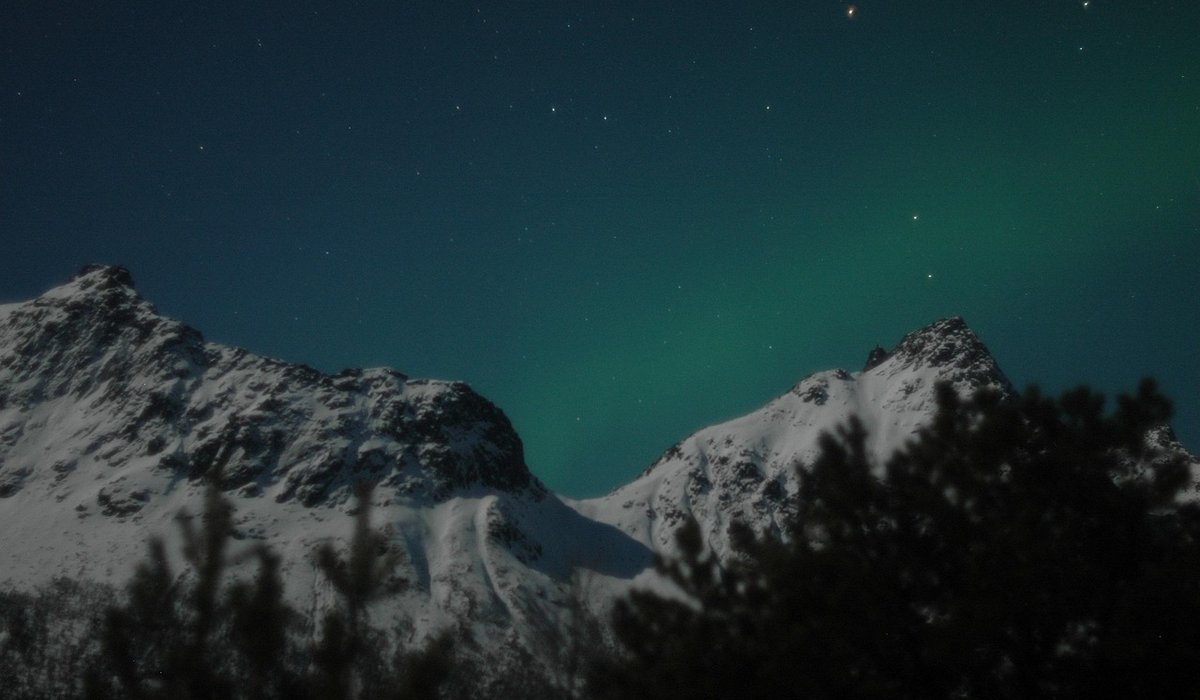
There is a particular freedom in walking from one roof to the next across Nordic mountain plateaus: a light pack, a known bed, and nothing ahead but the next set of red-painted waymarkers. Norway, Sweden and Finland all maintain networks of mountain huts — some staffed and welcoming, others unlocked and self-service — that turn a week of wild country into a series of manageable days. The catch is that these huts are not hotels. Beds are finite, opening dates shift with the snow, and the kitchen you were counting on may turn out to be a single gas ring with no fuel left in the shed. A little planning turns a good route into a genuinely restful one.
Know your hut types before you commit
Nordic hut networks generally fall into three categories, and mixing them up is the most common planning error.
- Staffed huts have a warden, set meal times, a small shop for provisions and fixed opening dates. Beds are bookable, and most accept cards — though not always reliably.
- Self-service huts are unlocked or opened with a key you obtain in advance. Expect bunks, mattresses, cooking equipment and a store of tinned and dried food paid for on an honesty basis.
- No-service or emergency cabins offer shelter only: no food, no warden, and no expectation that you will use them for a convenient overnight. They are for genuine need.
Before fixing an itinerary, gather each hut's classification, capacity, opening dates and facilities in one table. That single document will answer most of the questions that arise later.
Book beds early, and read the small print
Booking for the summer season often opens the previous autumn, and the popular routes fill fast. National holidays in late June go first, and September weekends on the classic traverses disappear surprisingly quickly now that autumn walking has become fashionable.
Book each leg separately, note the cancellation deadlines — most associations refund in full up to a few days before arrival — and expect a small change fee if your plans move. Self-service huts sometimes need a key deposit, posted out in advance, so allow at least a fortnight for that to arrive or arrange to collect it locally.
Turning up unbooked is possible: many staffed huts hold a share of beds for walkers arriving before early evening, and self-service huts rarely turn anyone away. But do not build a route around that assumption in peak weeks, and never rely on it for a group.
Carry cash, and carry more than you think
Even in countries where you can pay for a coffee by phone, mountain huts are different. Signal is patchy, card terminals go offline, and honesty boxes for self-service provisions often take notes only.
- Carry roughly 500–1,000 krone or krona in mixed small notes, split between your pack and your person.
- Budget for a bed, an evening meal, a breakfast, a can of fuel and a bar of chocolate — it adds up faster than you expect.
- Remember the nearest cash machine may be a full day's walk away, and hut shops keep short, sometimes unpredictable hours.
Cards work in most staffed huts most of the time. The word to hold on to is "most".
Check the cooking facilities at every stop
This is the detail that decides whether you eat well or go to bed hungry. For each hut, confirm the type of stove — gas, paraffin or wood — whether fuel is sold on site, whether pans and utensils are provided, and whether drinking water is available or needs boiling or treating.
The safe rule is to carry a small stove and enough fuel for one hot meal and a brew, whatever the hut promises. Cooking queues at busy self-service huts can be long, rings fail, and some huts restrict open flame indoors. A sleeping bag liner is also essential: bunks usually come with a mattress and pillow but rarely with bedding.
Staffed huts serve set dinners, usually booked by mid-afternoon. Elsewhere, plan to carry most of your own food — around 700–900g of dry food per person per day is a sensible starting point.
Pace, weather and hut etiquette
Distances in the north are deceptive. Fifteen kilometres of boulder field can take as long as twenty-five on a good path, so plan on four to six hours of walking a day, twelve to eighteen kilometres, and build in a spare hour. Snow falls in July in the higher areas, and rivers rise quickly after rain, sometimes becoming impassable. Be prepared to wait a day or reroute rather than force a crossing.
Inside the huts, small courtesies matter. Boots off at the door, quiet after eleven, dishes washed and dried, floors swept, and the hut left exactly as you found it. Log your route in the hut book — it is a genuine safety record — and pack out every scrap of rubbish. The honesty system only works because everyone plays their part.
Before you set off
- A written itinerary left with someone at home, plus a route notification where local rescue services use one.
- Every bed booked, and opening dates confirmed for the week you are walking.
- Cash in mixed notes, with a backup card.
- Own stove and fuel, sleeping bag liner, earplugs, and a head torch.
- Offline maps downloaded and a fully charged phone or power bank.
Get those five things right and the rest of the walk looks after itself: long light evenings, cold water at the door, and the quiet satisfaction of arriving at a hut you booked in February, knowing exactly what is waiting inside.

Joeby Ragpa
This template is so awesome. I didn’t expect so many features inside. E-commerce pages are very useful, you can launch your online store in few seconds. I will rate 5 stars.
ReplyAlexander Samokhin
This template is so awesome. I didn’t expect so many features inside. E-commerce pages are very useful, you can launch your online store in few seconds. I will rate 5 stars.
ReplyChris Root
This template is so awesome. I didn’t expect so many features inside. E-commerce pages are very useful, you can launch your online store in few seconds. I will rate 5 stars.
Reply